Discussing about tips for sketching and other related about sketching. Improve your sketching technique with this tips.
Friday, March 18, 2011
Learn Sketching Tips
Painting outdoors can help us see the world with new eyes, it sharpens our ability to capture the essence of a scene quickly and raise awareness of our theme. And we also get some fresh air and exercise into the bargain!
Find out what equipment and materials you need to go sketching. I mean look at the first time, is lightweight, versatile and minimal, and some of my ideas will help you to be surprised!
Learn what makes a good topic and outline how to capture the landscape differently. I also show you how to find the most interesting compositions in unexpected places.
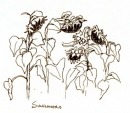
Relative light and dark areas of image is important, a good picture, so I'll show you how to do it with some clever tricks to help you reach the contrasts.
Tuesday, May 19, 2009
Tips for outdoor sketching
This are the tips about outdoor sketching.
Painting en plein air (on site outdoors) didn't really catch on until the 19th century. Today it is very popular, even in areas where the weather doesn't always cooperate. First-hand observation of the subject is one of the benefits of on-location painting, which may lend a more convincing feeling to your painting or drawing. Here are some tips to help you pack up and go on your outdoor painting excursions. Planning ahead will make your trip a lot more fun and more productive, as well.
- Painting equipment ranges from a lightweight backpack to an outdoor studio, including easel, chair and umbrella. My personal kit consists of a minimum of materials for watercolor sketching. Adapt to your own medium and necessities: 9" x 12" watercolor sketchbook; folding palette box; small paint tubes; water bottle, water container; assortment of brushes in a Ziploc bag, sketching pens, pencils, pocket knife, pocket stencil knife; masking tape, tissues, white eraser, natural sponge, pencil sharpener, correction pen, empty 35mm slide mount viewfinder (small items in Ziplock bags); a color wheel (you might know I'd have one of these!)
- camera, film, batteries: Use your camera to gather information to supplement your sketches.
- Personal comfort: lightweight folding chair or blanket to sit on; layered clothing, sunshade or hat, comfortable shoes; bug spray, sun block, sun glasses; simple first aid: aspirin, tissues, bandaids, ointment, hand wipes; drinking water, LUNCH!, litter bag
- Selecting a site: Unless you're a rough-and-tough mountain man, choose a site for safety and comfort (Check on restrooms before you settle in.), away from traffic and not too remote. Paint with a buddy. If the site is on private property, ask for permission.
- Choosing your subject: Make it simple--bite off a small piece. (If you can't decide, turn around twice with your eyes closed, sit down, and paint what you see before you.).
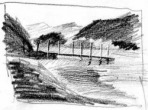
- Getting started: Use your viewfinder to isolate the main subject and make thumbnail sketches for composition & values. Concentrate, Eliminate, Simplify, Combine.
- Don't expect a winner the first time out. Make lots of sketches and plan a return trip if you want to do a more complete painting.
- Packing up: Leave the area cleaner than it was when you arrived and thank the property owners. In fact, show them your painting--you might make a sale!
Sponsor Links
Discover the Secret to Creating Scrapbook
start producing magazine quality pages
500 Scrapbooking Sketches!
500scrapbookingsketches.com
Scrapbooking Kit Treasure Trove!
Unleash Your Scrapbooking Creativity in Style!!!
Scrapbooking Kit Treasure Trove!
www.wowscrapbook.com
How to draw using six simple secrets
The ABC of Art Skills
The proven step-by-step process that begins at your level of skill
abcyoucandraw.com